Most people do not think about locksmith services until something small turns into a problem. A key disappears. A deadbolt starts dragging. A car fob stops answering. A shop door will not lock at closing. Then, suddenly, the lock is the whole story.
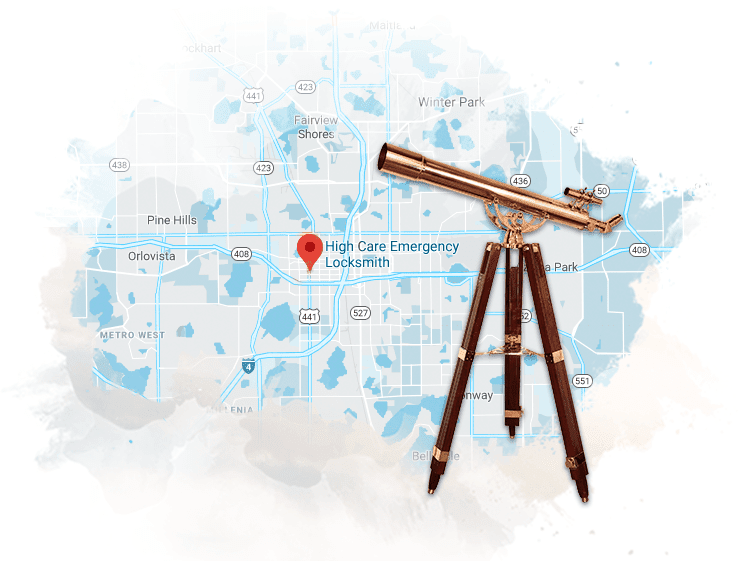
That is the kind of everyday mess High Care Emergency Locksmith works with around Orlando, FL. Not every call is dramatic. Some are just annoying. Some are urgent. Some are the kind of thing people put off for three months until the lock finally says, "Nope, we're done".
Orlando has a little bit of everything - apartments near UCF, older homes around College Park, busy shops near Downtown Orlando, newer homes in Lake Nona, offices in Maitland, rental spots around I-Drive, and parking lots where car keys somehow vanish into thin air. Different places, different doors, same basic feeling: you need the lock or key handled without a weird runaround.
A lockout has its own special mood. You can be standing outside your house with groceries, outside the office after a long day, or next to the car staring through the glass at the keys sitting inside. Nobody is proud of that moment. Nobody needs a lecture either.
If it is urgent, an emergency locksmith can help get the situation moving again. Home lockouts, apartment lockouts, business lockouts, keys locked in car, broken keys, stuck locks - these are the kinds of calls where calm matters.
One thing we always like to say: do not make the lock angrier. If the key is bending, stop. If the door is not moving, stop. If you are thinking about using a screwdriver because the internet made it look simple, maybe pause for a second. A lock that could have been opened or repaired can turn into a full replacement pretty quickly.
The old days were simpler. Cut a key, turn the key, start the car. Nice little system.
Now a car locksmith call may involve a chip key, smart fob, push-to-start button, immobilizer, remote head key, dead fob battery, or a key stuck in ignition that refuses to come out no matter how politely you ask.
Car key replacement can be simple or fussy depending on the vehicle. A Toyota key fob is not the same job as an older metal key. Key fob programming is not always a quick button press. Sometimes the fob is wrong. Sometimes the car is not reading it. Sometimes the key looks fine but the chip inside is the whole issue.
We like to keep car key talk plain. If the key is lost, broken, locked inside, or just not working, say that. If the car still has one working key, that changes things. If all keys are gone, that changes things too. The vehicle decides a lot of the job, not the wishful thinking.
A front door that only works with a secret wiggle is funny for about two days. After that, it is just irritating.
A residential locksmith visit can be for a lockout, sure, but a lot of home calls are quieter than that. A sticky deadbolt. A lost key. A new house with old keys. A bedroom door locked by a kid. A smart lock that worked fine yesterday and now has decided it is done participating.
Orlando weather does not help. Heat, humidity, rain, swelling doors, settling frames - all of it can make locks act strange. Sometimes the lock is bad. Sometimes the door is out of line. Sometimes the key is worn down from years of copies. That is why the whole door needs a look, not just the keyhole.
People ask about types of door locks and best door locks, but the real answer depends on the door. A front door, rental door, garage entry door, sliding door, and bedroom door do not all need the same thing. A strong deadbolt is good. A strong deadbolt on a weak frame is only halfway good.
Rekeying does not sound exciting, which is probably why people forget about it. But it solves a very real problem: old keys.
New house? Old keys. New tenant? Old keys. Roommate moved out? Old keys. Employee did not return a key? Same problem, different door.
When we rekey locks, the lock can often stay where it is. The inside is changed so the old key no longer works and a new key does. That is the part people care about. Not the tiny pins. Not the technical bit. Just this: the old copies stop opening the door.
Sometimes rekeying is enough. Sometimes the lock is too worn, too loose, or too cheap to be worth saving. That is where a straight answer matters. Nobody needs a full lock change if the rekey will do the job. Nobody needs a rekey on hardware that should have been replaced years ago.
A business door that "mostly works" is not really working. It is just waiting for the worst time to quit.
A commercial locksmith call might start with a stuck front lock, a missing office key, an employee change, a loose lever, a door closer that slams, or a back door that has to be lifted before it locks. Those small problems can turn into closing-time headaches fast.
For businesses, the question is usually bigger than one key. Who has access? Who should not? Which doors need to be keyed alike? Which rooms need to stay separate? Does the door actually latch every time it closes?
That is where commercial lock work becomes more practical than fancy. Some spaces need high security locks. Some need a better deadbolt. Some need a master key setup. Some need keypad hardware or a key card system looked at. Some just need the door adjusted so the lock can finally do its job.
Not every bad lock needs to be replaced. Also, not every bad lock deserves another chance.
A lock repair may work when the hardware is still solid and the problem is small. A lock change makes more sense when the lock is damaged, loose, outdated, rusty, forced, or no longer fits the way the door is used.
There is a difference between "can we make it work today?" and "will this keep being a problem next month?" That question matters for homes, rentals, offices, and shops.
We can talk through normal locks, deadbolts, smart locks, keypad locks, high security locks, storefront locks, commercial levers, and other types of locks without turning it into a hardware lecture. Most people do not want the catalog. They want to know what makes sense on that door.
Spare keys are boring until they are not.
A spare house key can save a rainy-night lockout. A spare car key can save a much bigger headache if the only key disappears. A spare office key, given to the right person, can keep a Monday morning from starting badly.
There are also different types of keys, and that matters more with cars and certain high security locks. Some keys are simple copies. Some need programming. Some are tied to a transponder or immobilizer. Some should not be copied casually because the whole point is better control.
Little key problems have a way of getting bigger. A key that sticks may snap. A fob that acts weak may quit. A lock that needs the "special wiggle" may stop accepting the wiggle. It is very rude, but common.
Locksmith cost depends on what is actually happening. That sounds vague, but it is true.
A basic unlock is different from replacing a lock. Rekeying one door is different from rekeying a whole property. Key fob replacement is different from unlocking a car. A high security lock is not priced like a basic knob lock. A late-night call may not cost the same as a scheduled visit in the middle of the day.
The cleaner way to deal with price is simple: explain the problem, ask what affects the cost, and make sure the estimate is clear before work begins. If the lock, door, or vehicle shows something different once seen in person, that should be explained before moving forward.
Cheap mystery pricing is how people end up annoyed. Clear pricing is better, even when the answer is not the lowest number shouted over the phone.
If you are looking for a local locksmith around Orlando, the best help is not always the biggest repair or the longest explanation. Sometimes it is a careful unlock. Sometimes it is a rekey. Sometimes it is a better deadbolt. Sometimes it is a car key made right. Sometimes it is telling you the lock is fine and the door is the real troublemaker.
High Care Emergency Locksmith works with homes, drivers, renters, business owners, property managers, and office teams around Orlando, FL. Different people, different locks, different little emergencies.
The goal stays pretty simple: the key should work, the door should close, the lock should lock, and the answer should make sense before the work starts.